
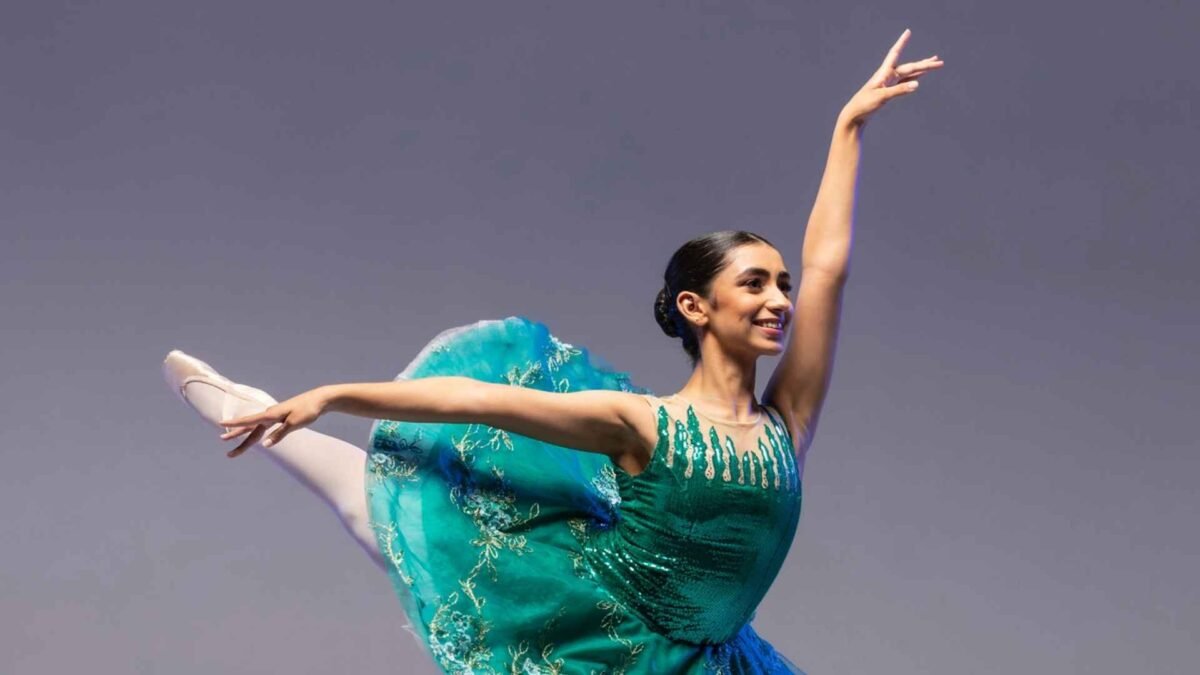

Radha Nambisan with her mom Irene Manning
We sat down with Irene Manning, mother of Radha Nambisan, to delve into the intricate world of ballet academia. Irene graciously shared her wealth of knowledge and firsthand experience regarding the technicalities involved in Radha’s journey into the world of professional ballet.
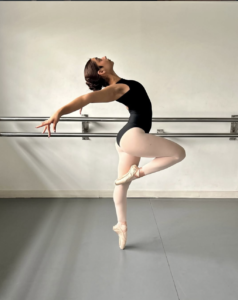
Radha at TLFCB
Can you tell us a bit about what Radha’s BFA in Classical Ballet at UNCSA entails? What kind of training and education does the programme offer?
The BFA programme for Dance at UNCSA is offered in both Classical Ballet and Contemporary Dance. In addition to dance classes such as technique, partnering, performance, pointe, and more, students also undertake coursework in dance-related subjects including the history of dance, costuming, music, teaching dance, and choreography. There are also academic classes covering writing, humanities, behavioural sciences, mathematics, and other general education subjects. The programme is four years in duration.
Did you find any resources that were particularly helpful in navigating the world of university dance programmes?
The world of professional ballet outside of India was something I knew very little about, despite having been a dancer myself for many years. The biggest support we had was Ms. Yana’s many years of experience, which helped guide us towards programmes that were best suited to Radha’s talents and experience. Ms. Yana was the person who recommended this programme to us and, in the end, it proved to be the right fit for Radha.

Radha and her family in Tokyo after the Royal Ballet Intensive
Can you share your experience with the financial considerations of a university dance programme? Did you have any strategies for managing the costs?
Radha started seriously considering ballet as a profession after attending the Australian Ballet School Summer Intensive in January 2023. After that, she attended several other intensives before applying to UNCSA. All of this costs a considerable amount of money—not only for tuition but also for travel and living expenses.
I would say that if you want to support your child on this path, I highly recommend having a discussion with Ms. Yana to determine which travel investments are worthwhile and necessary, and which are simply “nice to have”. Since Covid, there are also many more online opportunities available than there were previously, and these are worth exploring.
There are several Asian hubs for summer intensives, including Singapore and Hong Kong, which may be more affordable because they are closer to home and the overall costs can be more manageable. The key is to develop a strategy and stick to it, helping manage both the financial commitment and the expectations of your dancer.
As for university tuition, the costs are not substantially different from those of other overseas universities in the US or Europe, at least for the UNCSA programme. It is important to discuss as a family whether this is something you can afford and to begin saving early. We had been gradually saving for more than ten years to enable Radha to study in the US.
Can you tell us a bit about what this degree leads to?
Graduates of the BFA programme have gone on to dance with prominent American companies, including American Ballet Theatre, Pacific Northwest Ballet, and others. I also believe graduates can pursue careers in teaching or choreography, but ideally, joining a professional company would be the first step on that journey.
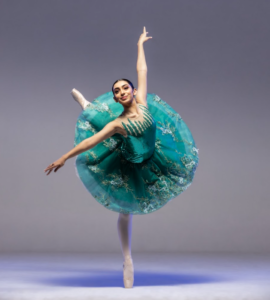
Radha Nambisan Photo by: Mallikarjun Katakol
Finally, is there any advice you’d give to the parents of aspiring ballet dancers who want to pursue dancing professionally?
Be realistic about your expectations for your child. If your child is serious about pursuing ballet professionally, you need to have a very clear understanding of what that journey entails and the path that must be followed. The ballet world is highly competitive.
The best way to prepare is to spend consistent, focused time in the studio. Dancing once or twice a week will not be sufficient to compete for admission alongside students from other countries who may be training for 10–20 hours each week.
This may also mean re-evaluating your child’s academic programme. Consider exploring educational pathways that are more flexible, allowing students to study online or reducing heavy after-school workloads and lengthy examination periods. Ballet is an art form that demands continual practice, alongside the development of strength, flexibility, and artistry—all of which require time and dedication.
The first step is to develop a plan by speaking with your child’s dance teacher. Seek an honest assessment of what it would take for your child to pursue a professional dance career, and work together to create a pathway that meets your family’s needs while giving your child the best possible opportunity to achieve their goals.





Leave a Reply