
By Aashaya Anand
Today, ballet is one of the most popular dance performances worldwide. Even those who do not practise it themselves have an intuition of what it is; an image comes to mind when you hear the word ‘ballet.’ Perhaps it’s white tutus, or pointe shoes, or low romantic buns. But how did these things emerge as they are known in 21st-century popular culture? Classically, ballet is a European dance form—but is that really true today? If it were, there couldn’t be such an intricate plethora of dancers, stories, voices, and folklore in the realm of ballet. Ballet is a global dance form, and this article aims to break down how this came to be.
La Princesse de Navarre, comédie-ballet de Voltaire et Rameau, Nicolas Cochin, 1745 Source gallica.bnf.fr / BnF
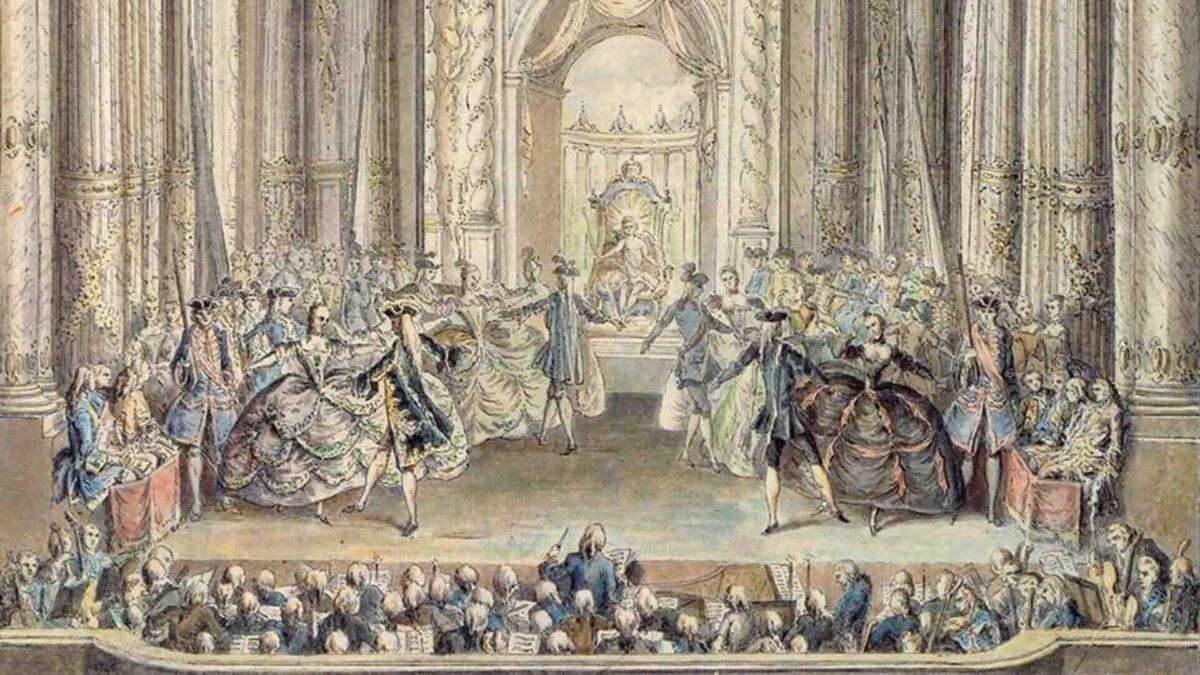
Ballet traces its origins to the Italian Renaissance when it was developed as a court entertainment. As it is today, ballet in Italian courts was formal and precisely choreographed. It had an elaborate set of rules that determined what forms of behaviour were acceptable. Ballet was brought to France by Catherine de Medici, wife of King Henry II, in the 16th century. It was first formally performed in France on a stage with a set and curtains.
But the development of ballet as a dance into what we know it today happened in the 17th-century court of French king Louis XIV. It’s worth noting that this is reflected in the French terminology of ballet. He founded the Royal Academy of Dance in 1661, where the well-known five positions in ballet were codified. He and other instructors at the ballet academy shaped and stylised ballet as people all over France came to learn from him. He also created his first dance performance, Ballet de la Nuit or Ballet of the Night. Not long after this, in 1669, the Paris Opera Ballet was founded, which is the oldest ballet company today. Thus, as locals in France began practising, learning, and performing the dance form at these institutions, ballet shifted from the court to the theatre; from the hands of royalty to the hands of artists.
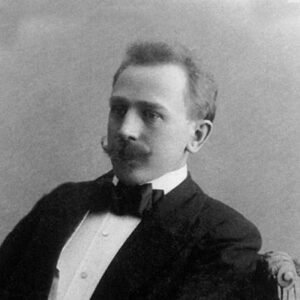
Ivan Clustine
In the next century, the prevalence of ballet in French courts inspired other European countries to incorporate it into their own. Royal families all over Europe wanted to cultivate ballet in their own countries on learning about its development in France. As ballet continued to develop in France, the Royal Danish Ballet, the Royal Ballet in England, and the Imperial Ballet of Russia were founded. Russia was particularly influential to ballet; the Russian folk dance form was absorbed into their style of ballet. Peter I (or Peter the Great, Tsar of Russia in the 1700s) deliberately replaced much of Russian popular folk dance with ballet. He was adamant on having ballet be accessible to people of all socio-economic classes, and he even funded and patronised several dance institutions all over Russia. When Russian dancer Ivan Clustine was chosen as the Maître de Ballet (Ballet Master) at the renowned Paris Opera, Russia established itself as a historical and essential influence on ballet.
Soon after, the Ballet Russes, the first ballet touring company under Russian impresario Sergei Diaghilev, was formed, shaping the culture of ballet even further. They toured all over Europe and the Americas, where they promoted a culture of collaboration between musicians, choreographers, artistic designers, and dancers. Everywhere they went, they displayed the rigorous and precise training required to perform ballet.
Ballet emerged in the US when dancers from England and France went there to perform ballets such as Giselle, slowly incorporating American dancers into the cast. French and Russian immigrants would hold positions such as Prima Ballerina in American companies, leading to the prevalence of companies such as the American Ballet Theatre.
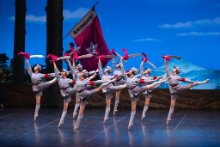
A scene from “The Red Detachment of Women”. Photo: Photo: Courtesy of National Ballet of China
The 20th century saw the emergence of ballet in countries outside of Europe and America. Ballet was brought to China by Russian dancers. Ballet was fundamental to the growth of the Beijing Dance Academy, whose dancers performed ballets such as Romeo and Juliet soon after ballet was introduced to China. Eventually, Chinese companies began creating their own ballets.
Soon after, in the age of industrialisation and globalisation, ballet, just like other cultural traditions, spread to all corners of the world. As infrastructure and transport improved, composers, choreographers, and dancers could be connected to one another. With industrialisation, the manufacture of resources such as costumes, shoes, and other dance equipment made the practice of professional ballet ubiquitous.
Today, we’re in the era of sharing; of the internet, where cultures all over the world are shared. Ballet now exists as a dance form in places ranging from France to India to South Africa, and perhaps ballet is experiencing its largest-ever surge of growth. Trainers can reach students everywhere through online classes, Zoom meetings, and social media, truly strengthening the narrative of ballet being a global dance form. Ballet is a vessel for sharing ideas and stories, but also for precision and discipline. It isn’t an easy dance form by any means—but dancers historically have proven to enjoy a challenge.





Leave a Reply